How to Follow Up on a Quote: A 14-Day Plan for Malta Businesses
How to follow up on a quote without being pushy: what the research says, a four-touch plan over 14 days, and the words to use on WhatsApp, email and phone.
You priced the job. You sent the quote on Tuesday. The customer said it looked good and they would think about it. Then nothing. No yes, no no. Just silence.
Most owners in Malta know this feeling. And most of those quotes are not lost to a cheaper rival. They are lost because nobody asked again. This guide shows how to follow up on a quote properly: what the research says, a simple four-touch plan over 14 days, the exact words to use, and when to stop.
Why most quotes go quiet
A quote is a question you asked the customer. Silence usually means they have not answered it yet, not that the answer is no. People get busy. A partner wants to see it. A second quote is late. Your quote slides down a WhatsApp chat until it is out of sight.
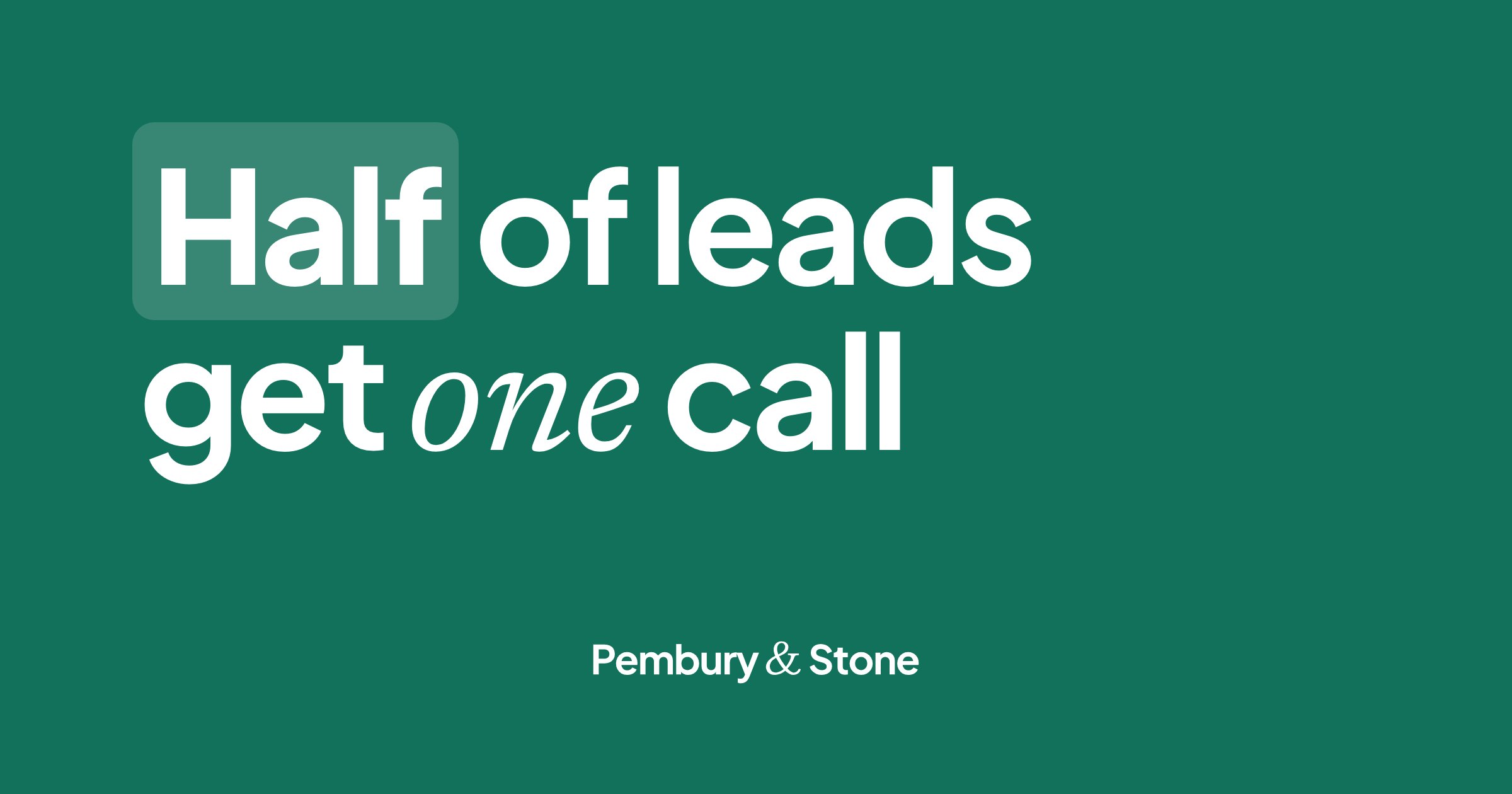
The trouble is on the seller's side too. When researchers sent test enquiries to 2,241 US companies, 23% never replied at all, and the average first reply took 42 hours (Harvard Business Review, 2011). A study of almost 3.5 million sales leads found that half of them were only called once (Velocify, via the National Law Review).
Malta adds its own twist. Of the 60,856 active enterprises the NSO counted in 2024, 73.2% were sole traders and partnerships (NSO, Business Demography 2024). In most of them, the person who quotes is the person who does the work. When the van is loaded at seven, the follow-up call is the first thing to drop.
What the research says about following up
Sales advice is full of numbers that nobody can trace. So here is only what has a source you can read.
Speed matters most at the start
The first reply sets the tone for everything after it. In the Harvard study, firms that tried to contact an enquiry within an hour were nearly seven times as likely to qualify it as firms that waited longer (HBR, 2011). An earlier study by the same lead researcher found the odds of reaching someone fell sharply between five and thirty minutes after they asked (Lead Response Management study, 2007, summarised by Expertise.ai).
For a quote, that means two things. Send it while the conversation is still warm. And make the first follow-up quick and easy to answer.
Most people stop too early
In the Velocify data, 93% of the leads that turned into sales were reached by the sixth call. Only 7% converted after more than six (National Law Review, 2016). Yet half of all leads got a single call and nothing more.
You may have seen claims like “80% of sales need five to twelve follow-ups” or “44% of salespeople give up after one”. We looked for the original studies and could not find them, so we do not lean on them. The traceable data says enough: a few well-spaced touches win sales that one touch leaves on the table, and more than six rarely adds much.
How to follow up on a quote: the 14-day plan
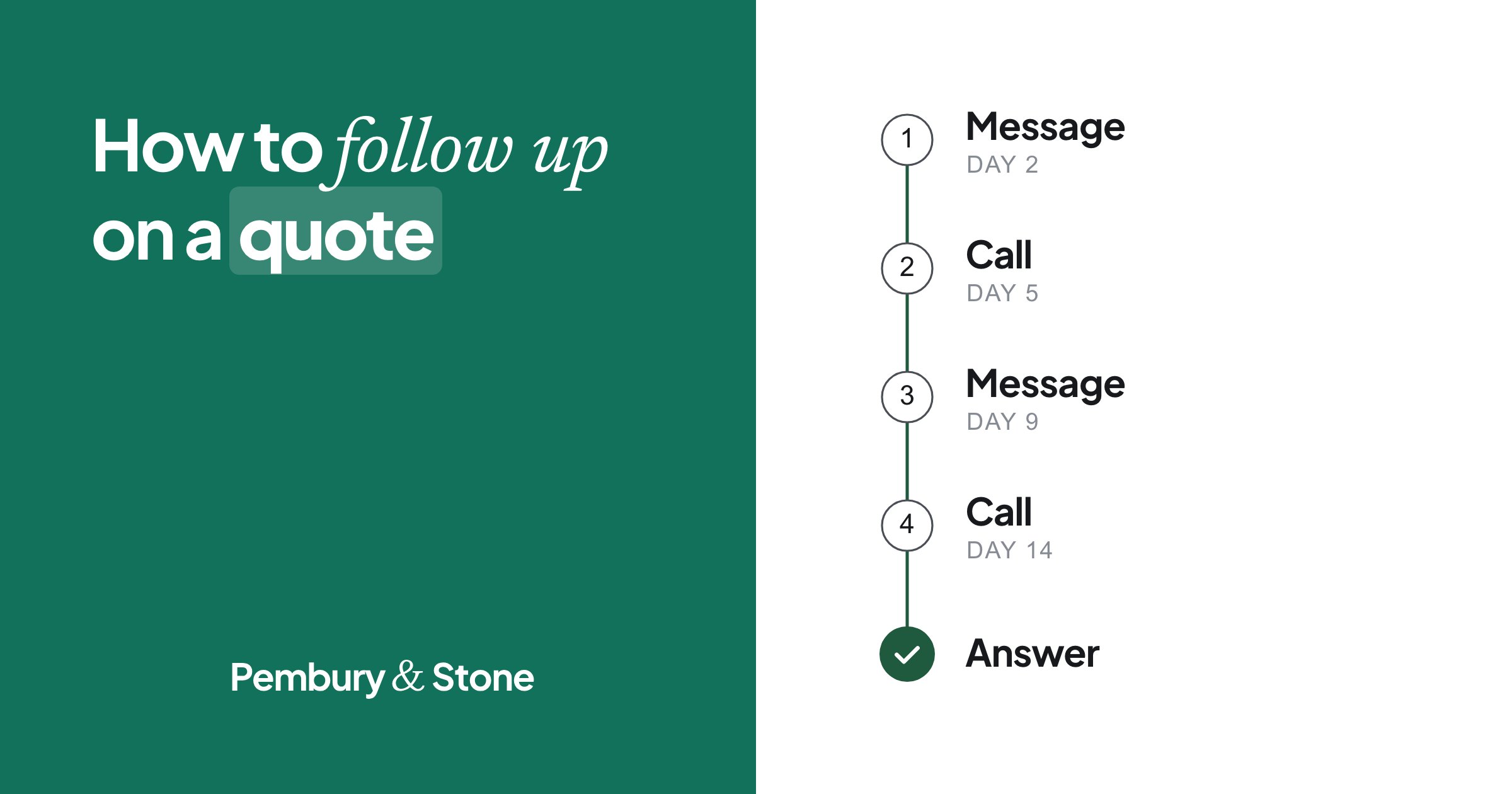
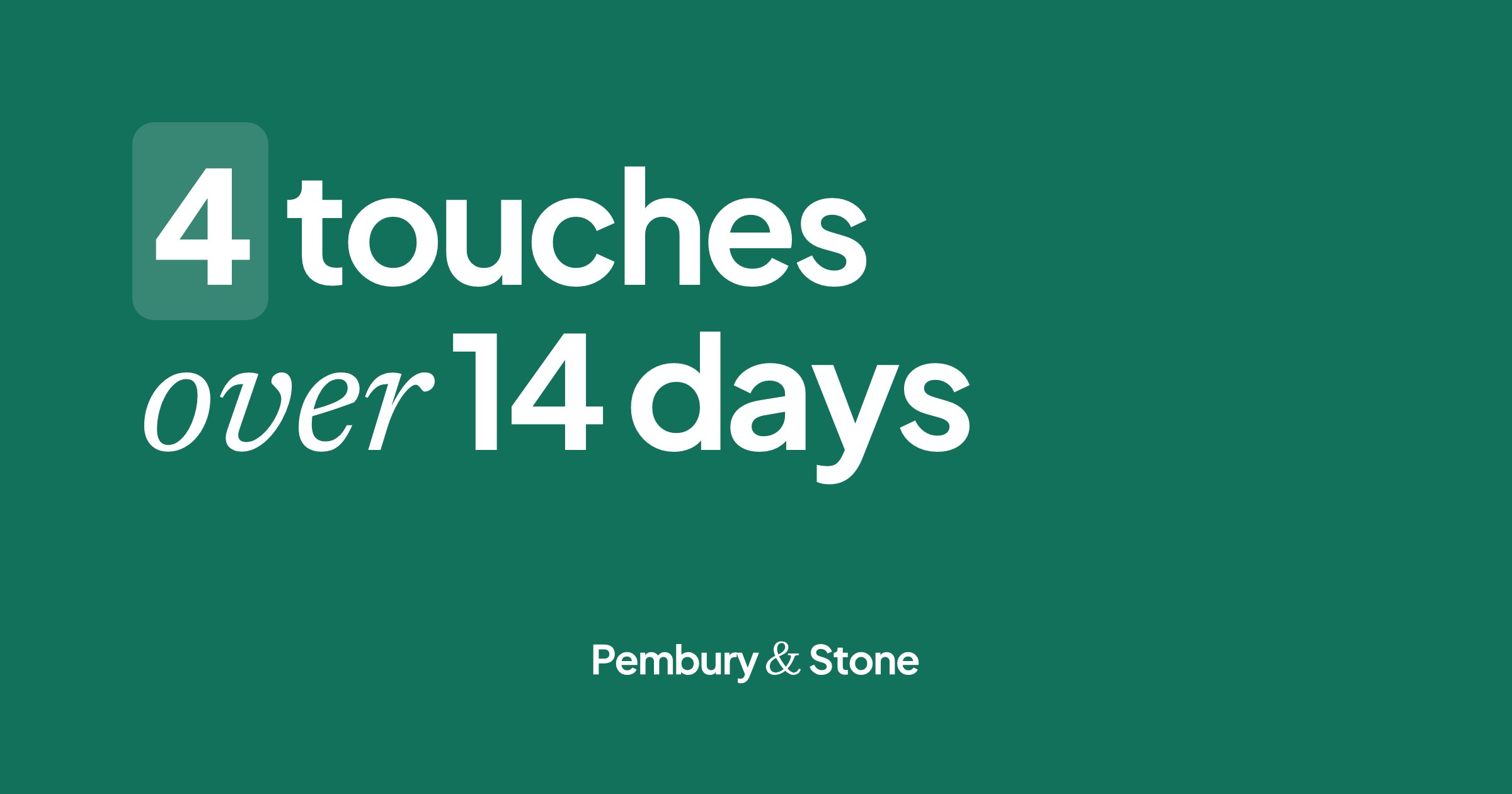
Here is a plan any small business can run. Four touches after the quote, over fourteen days, switching between a message and a call. A message reaches people who do not pick up. A call reaches people who do not read. Together they cover both, without nagging.
- Day 0, the quote. Send it the same day you price the job. Put a valid-until date on it, two or three weeks out.
- Day 2, a message. Check it arrived and offer to answer questions.
- Day 5, a call. Ask one useful question about the job.
- Day 9, a message with something new. A photo of similar work, a free slot, a small option.
- Day 14, a last call. Ask for a decision, either way, and agree a date to come back if the timing is wrong.
Day 2: confirm it arrived
Keep it to two or three sentences. Say who you are, mention the job, and make it easy to reply. Do not ask whether they have decided. It is too soon, and it puts them on the spot.
Day 5: call with one good question
A call on day five feels attentive, not pushy, if it brings something. Ask about the thing that usually holds people up in your trade: the start date, access to the site, the colour, the second opinion. Questions move a decision. “Just checking in” does not.
Day 9: give a new reason
By now they have heard from you twice. The third touch must add something. A slot that has opened up next month. A photo of a similar job you finished last week. A cheaper option without the extra they were unsure about. New information is a reason to reply.
Day 14: ask for a decision, either way
The last call is honest and friendly. Ask whether to keep the slot or let it go. A clear no is a good result: you can stop, and you can ask why. If the timing is wrong, agree a date to come back and put it in the diary. That quote is not lost. It is parked.
Quote follow-up message examples
Use your own words, but keep the shape: who you are, which job, one question. Here are examples you can adapt for WhatsApp, email or a call. Our free follow-up message generator writes them for your trade.
Hi Maria, it’s Joseph from Borg Tiling. Shall I keep the November slot for you, or let it go?
- Day 2, WhatsApp: “Hi Maria, it’s Joseph from Borg Tiling. Just checking the quote for the bathroom came through all right. Happy to go through any of it.”
- Day 5, phone: “Hi Maria, it’s Joseph from Borg Tiling, about the bathroom quote. Have you had a chance to think about the start date? We have a gap in the first week of November.”
- Day 9, email: “Hi Maria, a photo of a bathroom we finished in Mosta last week, with the same tiles you liked. If budget is the question, I can price it without the niche.”
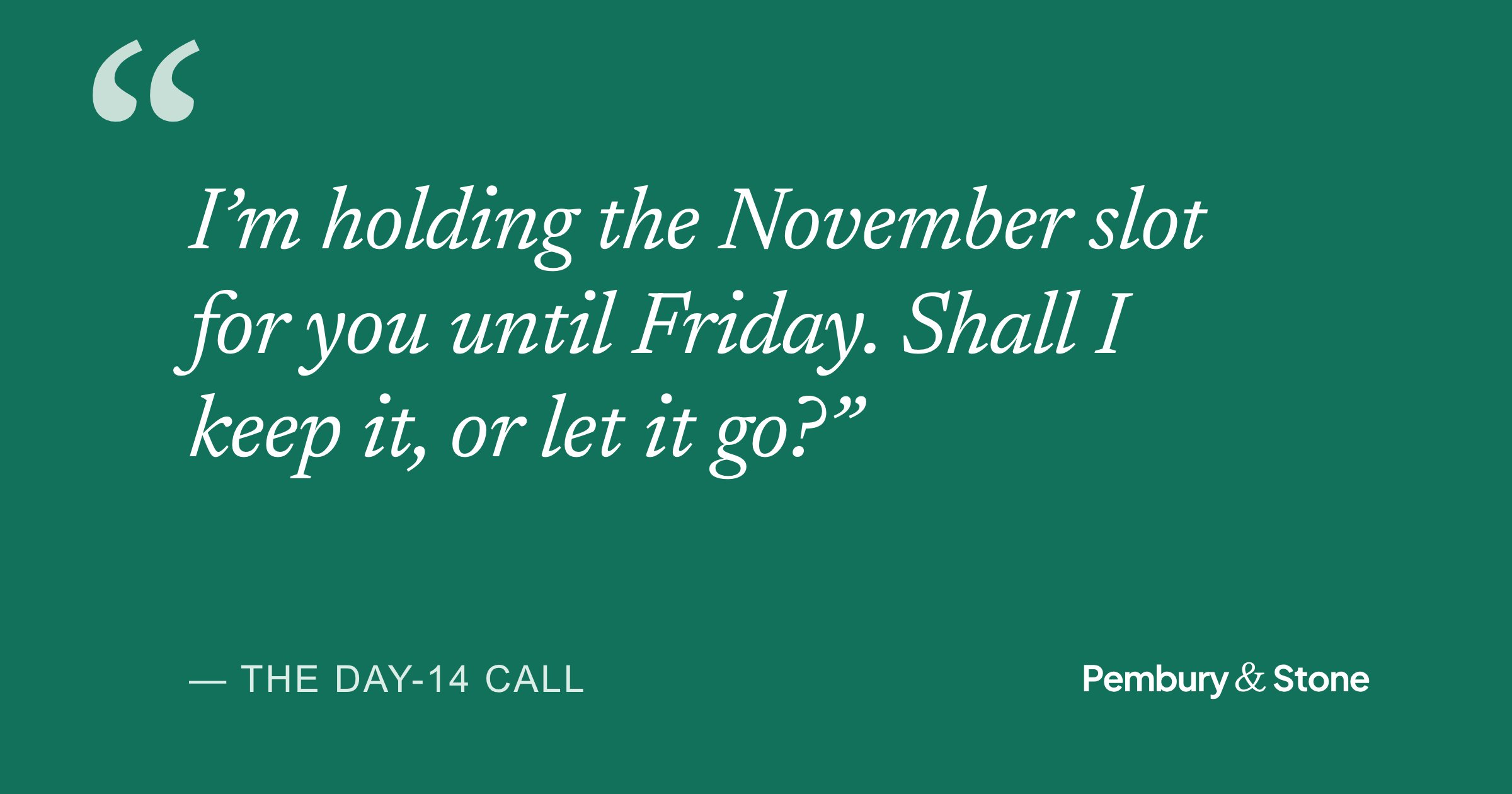
- Day 14, phone: “Hi Maria, it’s Joseph from Borg Tiling. I’m holding the November slot for you until Friday. Shall I keep it, or let it go? Either is fine.”
WhatsApp, email or phone?
In Malta, many enquiries start on WhatsApp, so the quote and the first message often belong there too. Calls are best for the questions that need a conversation. Email suits businesses and anything with attachments. The best channel is the one the customer used to reach you, plus a call. Our guide to WhatsApp sales covers the first reply in detail.
How to follow up without being pushy
Pushy is not about how often you get in touch. It is about whether each touch is for the customer or for you. These rules keep it on the right side.
Every touch should be for the customer, not for you.
- Say who you are, every time. Your name and your business, never a vague “on behalf of”.
- One question per message. Make the reply easy.
- Add something each time. A date, a photo, an option. Never “just checking in” twice.
- Respect their hours. Nine to one and four to seven work well. Never on a Sunday.
- Let the date do the work. A quote with a valid-until date gives you a natural reason to call that is about logistics, not pressure. Trade-software firm Jobber gives the same advice.
- One “stop” ends it. If they say no, thank them and stop the same day.
When to stop following up on a quote
Stop when you get an answer. A yes, a no, or “not now, try me in March” are all answers. Stop when they ask you to. And stop after the last call on day fourteen, if there is still silence.
Stopping is not giving up. Put the quote in a list of parked work with a date on it. Past customers and parked quotes are often the cheapest sales you will ever make, because they already know you. That is what customer reactivation is: calling them back, with a reason, at the right time.
Not now, try me in March.
Track every quote until it has an answer
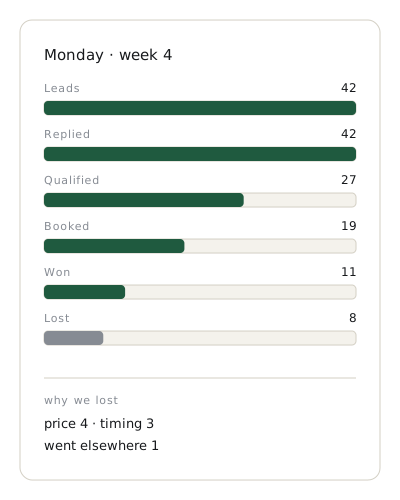
Follow-up fails quietly. Nobody notices the quotes that were never chased. So keep score. Once a week, write down how many quotes went out, how many were chased to an answer, how many were won, and why the others were lost.
We call this the Monday Number: one page, every Monday, won and lost and the reason in the customer's words. After a month you know whether you lose on price, on timing or on silence. You can start with our free Monday Number template.
Do it yourself, or hand it to a sales desk
If you have the time, run the plan yourself. A notebook, a diary and the four touches will win you work you are losing today. Use the lost enquiry calculator to see what the silence is costing.
If you do not have the time, that is what we do. Our desk in Malta answers your enquiries and follows up every quote in your name, on your number, until there is an answer. We always say who we call for. No AI voice on any call that sells. One “stop” ends it. Read how lead follow-up works, or compare in-house and outsourced sales.
Either way, the quote you sent on Tuesday deserves a second message. Talk to our sales team if you would like us to send it.
Questions owners ask
How long should I wait to follow up on a quote?+
Two working days is a good first gap. It gives the customer time to read the quote, and it is soon enough that the job is still on their mind. Then follow up on day five, day nine and day fourteen.
How many times should I follow up on a quote?+
Four touches after the quote is a sound plan for most small businesses. In a study of about 3.5 million leads, 93% of the leads that became sales were reached by the sixth call, so a few more than one matters, and many more than six rarely does.
Is it rude to follow up on a quote?+
No. Most customers expect it, and many are glad of the reminder. It becomes rude when the messages add nothing, come too often or arrive at odd hours. Say who you are, ask one question and give a reason each time.
Should I follow up by WhatsApp, email or phone?+
Use the channel the customer used to reach you, and add a call. Messages reach people who do not pick up; calls reach people who do not read. Switching between them covers both.
What do I say when a customer says they'll think about it?+
Agree, and ask what they are weighing up: the price, the timing or the scope. Then agree when you will call back, and call back on that day. “I’ll think about it” often means there is a question nobody has asked yet.
Can someone follow up on quotes for me?+
Yes. A sales desk can chase every quote in your name and report back each week. Ours is in Malta. See how lead follow-up works, or talk to our sales team.
- The Short Life of Online Sales Leads (Oldroyd, McElheran and Elkington), Harvard Business Review (2011).
- Study Reveals Best Contact Strategies for Optimal Lead Conversion (Velocify data), National Law Review (2016).
- Speed-to-Lead Statistics, Verified, With Folklore Debunked, Expertise.ai.
- Business Demography: 2024 (NR 218/2025), National Statistics Office Malta (2025).
- Quote Follow-Up Email Templates, Jobber.
- BlogWhatsApp Business for Sales: A Practical Guide for Malta
- BlogWhat Is a Sales Pipeline? A Plain Guide for Small Businesses in Malta
- ServiceLead follow-up: every quote chased until there is an answer
- GuideIn-house vs outsourced sales for a small business
- ServiceCustomer reactivation: past customers called with a reason to return